

Boarding your dog for the first time can make the dog mom far more nervous than the dog.
You're leaving someone else responsible for feeding him, walking him, noticing if he doesn't feel right, keeping him safe around unfamiliar dogs and figuring out all the little things you've learned about him without even realizing you learned them.
So yes, choosing where your dog stays deserves more thought than finding the closest kennel with an opening.
Some dogs walk into boarding like they're checking into summer camp. Others need considerably more preparation. And dogs with anxiety, reactivity, aggression, medical needs or age-related changes may need a completely different setup.
The question isn't simply, “Is this a good boarding facility?” It is, “Is this a good boarding situation for my dog?”
Visit the Boarding Facility Before You Book
If possible, go see where your dog will actually be staying.
Don't judge the facility by the lobby, website or adorable pictures of dogs splashing in a pool. Ask to understand the areas that matter to your dog's actual day.
I want to know:
- Where do the dogs sleep?
- How large are the kennels or runs?
- How much time do they spend confined?
- How often are they taken outside?
- How are dogs grouped for play?
- Can dogs opt out of group play?
- Where do dogs rest during the day?
- Is someone on site overnight?
- What happens if a dog doesn't settle?
- How are medical or behavioral concerns communicated?
A beautiful lobby tells me almost nothing about what happens at 11:30 at night when your dog can't settle.
Do a Trial Stay Before the Real Trip
If your dog has never been boarded, don't make a week-long vacation the first experiment if you can avoid it.
A gradual introduction gives everybody information.
- Start with a visit or temperament evaluation.
- Try a short daytime stay.
- Try a full day if that goes well.
- Consider one overnight before a longer trip.
Then ask specific questions.
Did your dog eat? Did he drink? Did he sleep? Did he interact comfortably with staff? Did he enjoy other dogs or merely tolerate them? Could he settle when activity stopped?
A dog can survive a boarding stay while remaining stressed almost the entire time. I want to know how the dog actually functioned while he was there.
Make Sure Your Dog Can Handle the Type of Confinement They Use
If the facility uses crates, kennel runs or private suites, understand what your dog will experience before drop-off day.
A dog who sleeps happily in a crate at home may adapt easily.
A dog who has never been confined away from you may have a much harder time.
And a dog with true confinement panic is an entirely different situation.
If your dog bends crate bars, tries frantically to escape, breaks nails or teeth, drools excessively, screams continuously or cannot settle when confined, tell the facility exactly that.
Don't translate it into:
“He's not really a crate dog.”
Those are not the same problem.
If barking and whining in the crate is already an issue at home, address that before the trip when possible. See Dog Barking and Whining in the Crate.
Send Your Dog's Regular Food
Boarding already changes your dog's environment, schedule, sleeping arrangements and caregivers. I don't see a reason to throw a sudden diet change into the mix too.
Whenever possible, send your dog's normal food.
Pre-portioned meals can make things easier and reduce misunderstandings, especially if your dog eats fresh, raw, gently cooked or otherwise non-standard food.
Label everything clearly.
- Dog's name
- Meal amount
- Feeding times
- Supplements
- Medication instructions
- Food allergies or intolerances
- What to do if the dog refuses food
Don't write “normal amount” on the bag. What's normal to you is not normal to someone meeting your dog for the first time.
Bring Familiar Things — When Appropriate
If the facility allows personal belongings, something that smells familiar may help your dog settle.
That could include:
- A washable bed or mat
- A familiar blanket
- A favorite safe toy
- A T-shirt that smells like home
But use some common sense here.
If your dog destroys and eats bedding when stressed, sending Grandma's handmade quilt because it smells comforting is probably not the plan.
Tell Them the Truth About Your Dog
This is probably the most important section of this entire article.
Do not make your dog sound easier than he is because you're afraid the boarding facility won't accept him.
If they cannot safely care for the dog you actually have, you need to know that before you leave town.
Tell them about:
- Dog reactivity
- Aggression
- Bite history
- Resource guarding
- Stranger fear
- Handling sensitivities
- Crate or confinement anxiety
- Escape behavior
- Separation anxiety
- Noise or storm fears
- Food intolerance
- Medical conditions
- Medication
- Mobility problems
Tell them the weird little things too.
If your dog doesn't like men in hats, guards his bed, panics during thunderstorms, needs space while eating or gets snippy when awakened suddenly, that information can prevent a problem.
Boarding an Anxious Dog
Anxiety doesn't automatically mean your dog can't be boarded.
But I want to know what anxiety actually looks like for that dog.
There is a big difference between a dog who needs fifteen minutes to warm up and a dog who panics for hours after his person leaves.
Ask whether the facility can provide:
- A quieter sleeping area
- Individual play instead of large groups
- More predictable routines
- Extra rest time
- Staff experienced with fearful dogs
If your dog has true separation anxiety, boarding deserves even more thought.
A dog who panics when separated from his attachment person may not magically become comfortable because he's surrounded by other dogs and kennel staff.
For some of these dogs, an experienced sitter staying in the dog's own home may be a much better solution.
Read: Separation Anxiety in Dogs.
Boarding a Reactive or Aggressive Dog
A reactive dog does not necessarily need to participate in daycare or group play.
In fact, forcing the wrong dog into group play because “that's what boarding dogs do” can create exactly the problem we're trying to avoid.
Ask:
- Can my dog be exercised individually?
- Can he be boarded without group play?
- How do you prevent nose-to-nose encounters in hallways?
- Can you use visual barriers if needed?
- How experienced is staff with reactive dogs?
- What happens if my dog refuses handling?
I would much rather have a facility decline the reservation than discover a significant aggression history after somebody gets hurt.
Some dogs with significant aggression may be better served by an experienced in-home caregiver or specialized boarding situation rather than a traditional kennel.
Boarding a Senior Dog or Dog With Medical Needs
This deserves more attention than it usually gets.
Older dogs may not tolerate a busy boarding environment the way they did at five years old.
A senior dog may need:
- More frequent potty breaks
- Non-slip flooring
- Help getting up
- A quieter sleeping area
- Medication at precise times
- Temperature control
- More rest and less group activity
Dogs with diabetes, seizure disorders, kidney disease, heart disease or other medical conditions require another layer of planning.
Ask directly whether staff are comfortable administering your dog's medication and monitoring the condition.
For medically fragile dogs, veterinary boarding or an experienced in-home caregiver may be more appropriate than a traditional boarding facility.
Ask About Overnight Supervision
“24-hour boarding” does not necessarily mean a human being is physically present 24 hours a day.
Ask.
I want to know:
- Is someone physically on site overnight?
- If not, how long are dogs unattended?
- Are cameras monitored?
- What happens if there's a fire alarm or power outage?
- How would anyone know if a dog became sick overnight?
That answer may matter a lot more to me for a senior, seizure dog, diabetic dog or dog with significant anxiety than it does for a healthy two-year-old Labrador who sleeps like a rock.
Ask What Happens in an Emergency
Before you leave, know:
- Which veterinarian they use
- Which emergency hospital they use after hours
- When they will contact you
- Who can authorize veterinary treatment
- How veterinary costs are handled
Leave your regular veterinarian's information and make sure the facility has a way to reach you.
I also strongly recommend leaving a local emergency contact who knows your dog and can physically go get him if necessary.
Should Dogs From the Same Household Board Together?
Sometimes yes. Sometimes no.
Dogs who live together may find comfort in staying together, but stress can also change behavior.
If your dogs have any history of tension around food, toys, beds, chews or personal space, tell the facility.
At minimum, I want to understand how they handle:
- Feeding
- Treats and chews
- Sleeping spaces
- Rest periods
- Conflict between household dogs
Two dogs living peacefully together at home doesn't mean I automatically toss food bowls into a small boarding suite and hope everyone remembers their manners.
Don't Overdo Daycare Just Because You're Paying for Boarding
Some dogs love group play.
Some dogs tolerate it.
Some dogs would rather file their own taxes.
More activity is not automatically better.
Dogs need downtime, sleep and an opportunity to come down from stimulation.
If your dog normally sleeps half the afternoon at home, eight straight hours of wrestling with twenty dogs may not be his idea of vacation.
Ask how much structured rest dogs receive.
What Should I Pack When Boarding My Dog?
- Your dog's regular food
- Clearly labeled medications
- Supplements if the facility will administer them
- Written feeding instructions
- Medical information
- Veterinarian contact information
- Emergency contact information
- Behavior notes
- Allowed bedding or familiar items
- Any required vaccination or health records
Keep the instructions clear enough that a staff member who has never met you can follow them correctly.
What Should I Expect After My Dog Comes Home From Boarding?
Some dogs come home exhausted.
They may sleep more than usual for a day or two after a busy stay.
You may also see temporary changes in:
- Appetite
- Stool
- Thirst
- Sleep
- Clinginess
- General energy
Minor changes can happen after a big disruption in routine.
But significant vomiting, persistent diarrhea, coughing, refusal to eat, marked lethargy, injury or a major behavior change deserves more attention.
When In-Home Care May Be a Better Choice
Traditional boarding is not automatically the best option for every dog.
I would seriously consider in-home care for a dog who:
- Has severe separation anxiety
- Panics in kennels or crates
- Has significant stranger or dog aggression
- Is medically fragile
- Is extremely elderly
- Has complicated medication needs
- Becomes overwhelmed in noisy environments
- Has previously had a terrible boarding experience
An experienced pet sitter can allow the dog to remain in a familiar environment, maintain more of his normal routine and avoid the stimulation of a commercial kennel.
But choose that person carefully too.
Read: How to Choose a Pet Sitter.
Boarding Your Dog for the First Time: Questions Pet Parents Ask
How do I prepare my dog for boarding for the first time?
Visit the facility first, allow your dog to meet staff when possible, consider a short trial stay or overnight, make sure your dog is comfortable with the type of confinement used, send familiar food and provide detailed medical and behavior information.
Should I do a trial night before boarding my dog for a week?
I like this approach whenever possible. A short trial gives you and the facility useful information about whether your dog eats, sleeps, settles, tolerates the environment and interacts comfortably with staff before you're far away.
Will my dog think I abandoned him when I board him?
Dogs don't necessarily interpret boarding the way humans frame abandonment. They can certainly experience stress from changes in routine, environment and separation, but many dogs adjust well to competent boarding care and happily reconnect with their families afterward.
Is boarding stressful for dogs?
It can be. Some dogs love the activity, some tolerate boarding comfortably, and others struggle with unfamiliar people, noise, dogs or confinement. This is why I like trial stays and choosing the environment based on the individual dog.
Can I board an anxious dog?
Often, yes, depending on the type and severity of the anxiety. Ask whether the facility can provide quiet housing, individual exercise and experienced staff. Dogs with significant separation anxiety or confinement panic may be better suited to experienced in-home care.
Can an aggressive or reactive dog be boarded?
Sometimes. The facility must know the dog's full history and have procedures for individual handling, avoiding unwanted dog interactions and safely managing known triggers. Significant aggression may require specialized boarding or an experienced in-home caregiver.
Is boarding safe for a senior dog?
It can be, but older dogs may need quieter accommodations, frequent potty breaks, medication, mobility assistance and more rest. For very elderly or medically fragile dogs, veterinary boarding or in-home care may be a better fit.
Should I bring my dog's own food to boarding?
I generally prefer keeping a dog's normal diet when the facility allows it. Boarding already changes enough of the dog's routine without adding an unnecessary abrupt food change.
Should I leave something that smells like me?
If the facility allows personal belongings and your dog can safely have them, a familiar blanket, bed or shirt may be comforting. Do not send items your dog is likely to shred or ingest when stressed.
Is a pet sitter better than boarding?
It depends on the dog. Dogs who are comfortable in boarding facilities may do wonderfully there. Dogs who are extremely anxious, medically complicated, reactive, elderly or strongly attached to their home routine may be better candidates for experienced in-home care.
The Best Boarding Choice Is the One That Fits Your Dog
You don't need the fanciest kennel.
You need competent people who understand the dog you're handing them.
Visit.
Ask questions.
Do a trial run when possible.
Tell them the good, the bad and the slightly embarrassing.
Make sure they understand the food, medication, medical history and behavior.
And if you look at your dog and realize that traditional boarding simply isn't the right environment for him, choose another option.
The goal is safe, competent care that makes sense for the dog you actually have.
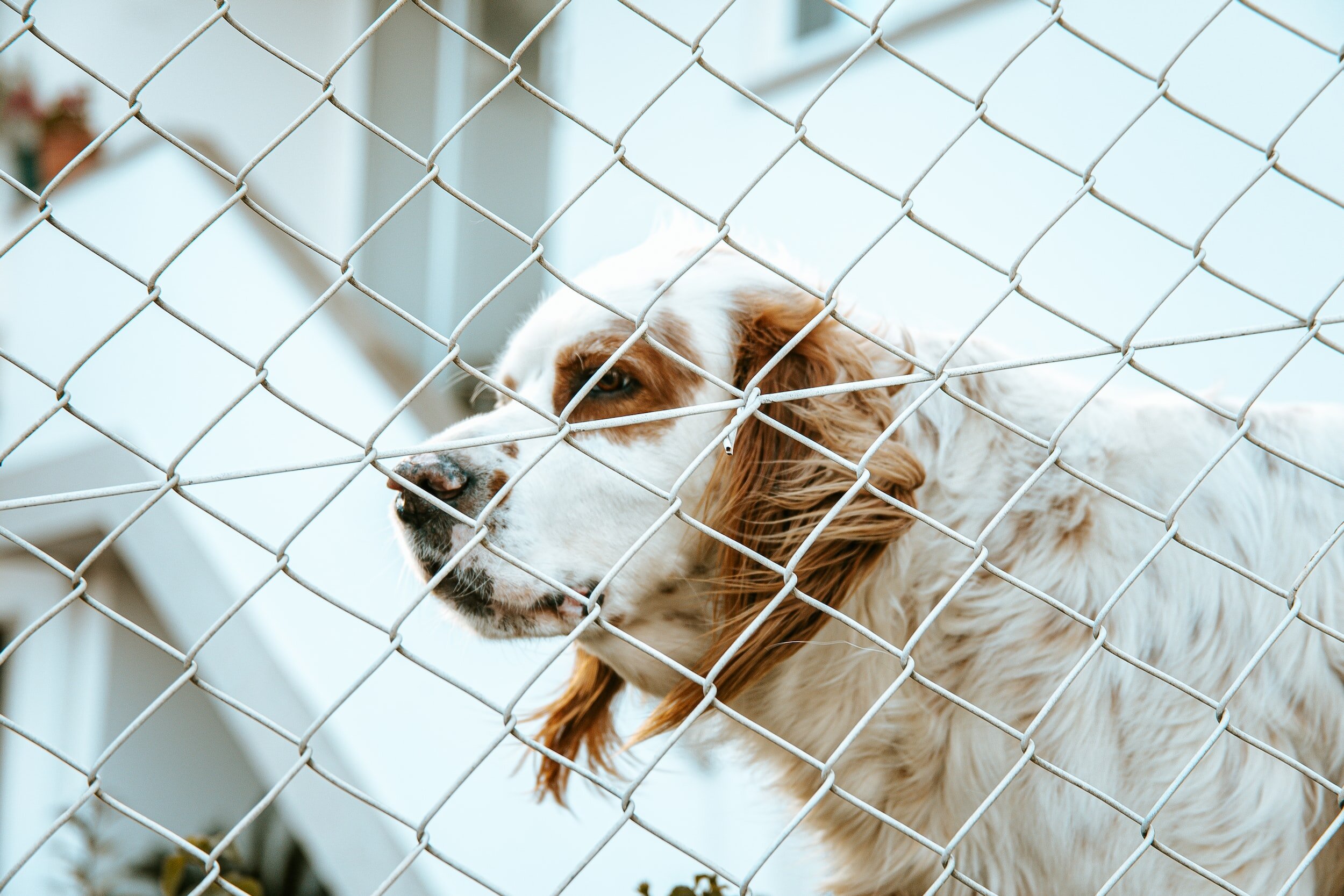
Every Doggy Day Care shows you all the fun they have — and most do. But go check out the sleeping quarters too an and make sure your dog is prepared for long periods of time alone in a loud and stressful kennel.