Why Force Free Training May Not Work For Your Dog
When “Force-Free” Dog Training Doesn’t Work for Every Dog
Many modern dog trainers proudly call themselves force-free. The idea sounds wonderful — we all want to teach with kindness, compassion, and positivity. But what happens when that approach just doesn’t work?
What if your dog isn’t motivated by food, doesn’t respond to redirection, or continues to spiral into fear or aggression no matter how many treats you offer?
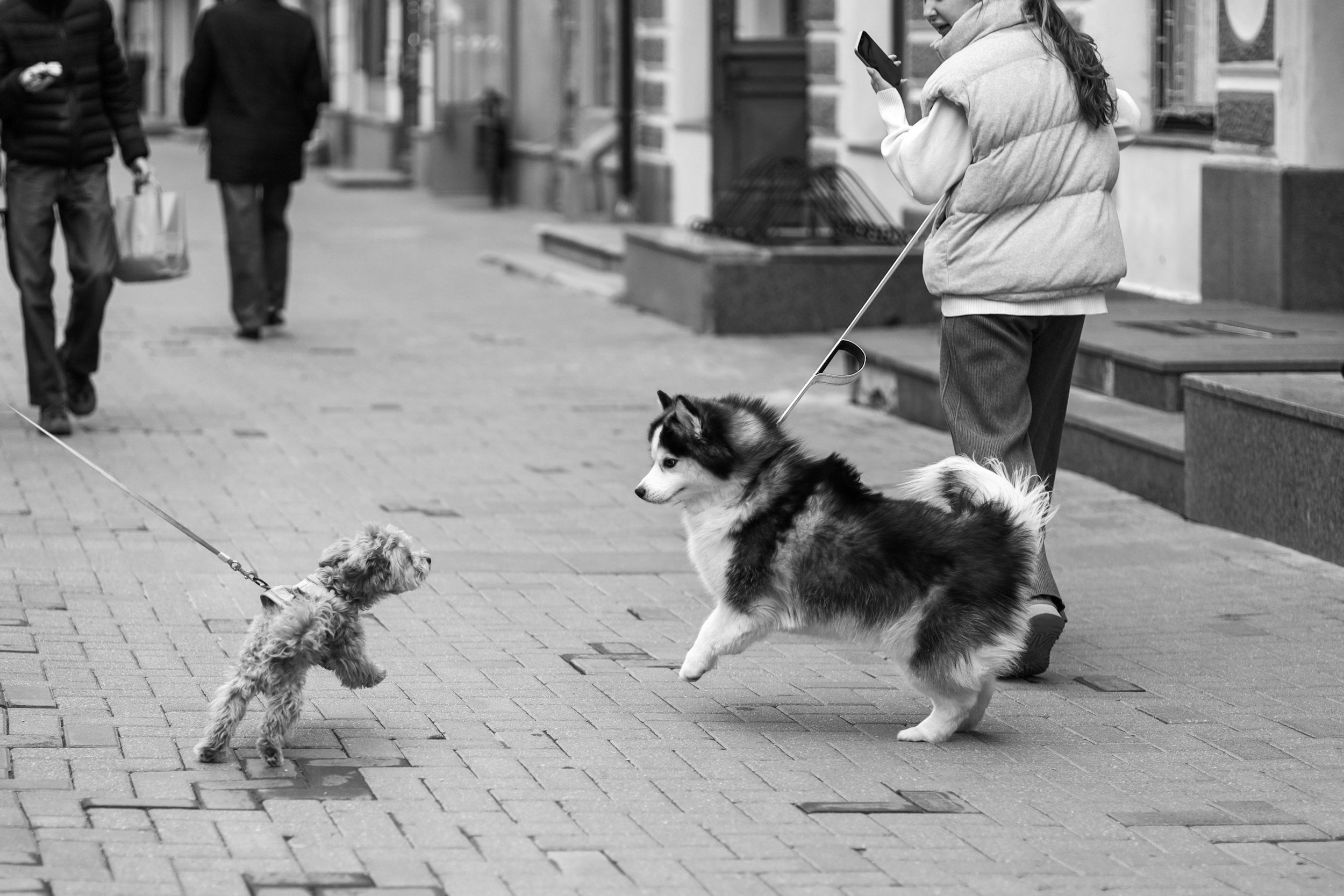
Let’s talk honestly about when “force-free” isn’t enough… and why a truly balanced approach — one that includes fair boundaries, calm pressure, and yes, sometimes even the word “no” — can be exactly what some dogs need to feel safe.
What “Force-Free” Means — and Where It Falls Short
Force-free training focuses on positive reinforcement and avoids any physical or verbal corrections. Corrections in this case are not always even limited to what most people consider the “yank and crank” leash correction, but also a gentle push off the couch or out of your face, or redirection under reactivity. The word NO is often frowned upon.
Force Free concept is rooted in rewarding good behavior, ignoring mistakes, and keeping learning “stress-free.” Lots of treats are involved.
That sounds ideal in theory — and for many dogs, it’s effective. But some dogs live in an emotional state where “stress-free” isn’t reality.
Dogs who are:
Chronically fearful or hyper-vigilant
Reactive or defensive on leash
Overstimulated or high-drive
Disconnected due to trauma or lack of structure
For these dogs, constant “happy talk” and treats can actually make things worse. They may need clear direction — not endless negotiation.
Why “No” Isn’t a Dirty Word
Somewhere along the way, “no” became controversial in the dog world. But in nature, dogs communicate boundaries all the time — with energy, posture, and sound.
A calm, firm “no” or a well-timed interruption tells your dog, or appropriate spatial pressure and tone change in your voice — “That behavior doesn’t work here.”
It’s not punishment. It’s feedback.
A fair “no” gives a dog clarity, and clarity reduces anxiety. Without it, a nervous or excitable dog is left to guess what’s allowed — and that guessing can lead to chaos, conflict, or even injury.
Why Pressure and Consequences Can Be Kind
When we talk about “pressure,” it doesn’t mean intimidation or pain. It can be as simple as:
Taking a step toward a dog to ask for space
Holding gentle leash pressure until calm behavior happens
Blocking movement when a dog fixates or lunges
Requiring stillness before releasing to play or sniff
Requiring eye contact to go outside or take a food bowl.
Pressure, when used correctly, is communication, not punishment.
Balanced trainers use pressure and release to teach — the same way horses learn from reins, or dogs learn from body language. The goal is to create understanding, not fear.
When “Force” Is Necessary for Safety
Let’s be real: there are moments when force — as in physical intervention — is necessary.
If your dog is about to:
Bolt into traffic
Attack another dog
Bite out of panic
Escalate beyond self-control
You must step in. That’s not cruelty — that’s leadership.
A quick leash pop, a body block, or a hands-on interruption can prevent serious injury. The goal isn’t to punish; it’s to regain safety and reset the brain.
A dog in full fight, flight, or freeze is not in a learning state. You can’t “cookie” them out of a panic attack or a predatory chase. But you can calmly interrupt, contain, and then help them recover once their thinking brain returns.
That’s real compassion — stepping in when they can’t help themselves.
Stress Isn’t Always the Enemy
We often talk about removing stress for fearful dogs — but complete comfort and avoidance of stressors doesn’t create growth.
Controlled, small doses of eustress (healthy stress) help dogs build resilience.
Examples include:
Asking a shy dog to step toward a trigger, then retreat calmly
Expecting focus around mild distractions before rewarding
Practicing impulse control through structured tug or bite games
Learning to cope with frustration and not yielding to the dog’s demands
Claiming back your role as leader, setting clear boundaries and consistent expectations with predictable consequences.
A confident dog learns, “I can do hard things.” And that belief changes everything.
What “Balanced Training” Really Means
Balanced training isn’t about dominance or fear. It’s about communication — using both reward and consequence to guide a dog toward understanding.
It’s:
Fair, calm, and consistent
Focused on the dog’s emotional capacity
Willing to use pressure when needed — but only to create clarity
Grounded in relationship, not control
A good balanced trainer reads the dog’s body language like a book. They know when to apply gentle pressure and when to release. When to reward and when to redirect.
That’s not being “mean.” That’s being fluent in dog.
Why Some Dogs Need Balance to Heal
Dogs with anxiety, reactivity, or trauma often crave structure. They don’t need endless freedom; they need safe boundaries and leadership they can trust.
Balanced training helps by:
Interrupting chaos before it escalates
Teaching the dog how to self-regulate
Providing clear, consistent direction
Building confidence through success, not avoidance
When a dog finally understands what’s expected — and that their human can calmly handle the world — their anxiety melts away.
The Takeaway
Kindness and clarity are not opposites. You can love your dog deeply and hold them accountable.
Saying “no,” applying gentle pressure, or interrupting unsafe behavior doesn’t make you cruel — it makes you a responsible, consistent, communicative partner.
Dogs thrive under balanced guidance. And when they feel that balance — calm leadership, consistent feedback, and genuine affection — they finally exhale.
Let’s get your dog the personalized support they need — submit an inquiry and let’s see what I can do to help.
👉 No obligation, free callback: https://welloiledk9.com/questionnaire
Want even more discussion and real-life case examples?
Join my free community forum:
👉 https://facebook.com/groups/thewellfedk9