
Behavioral Changes After Vaccines
When “Bad Behavior” Isn’t Bad Behavior at All
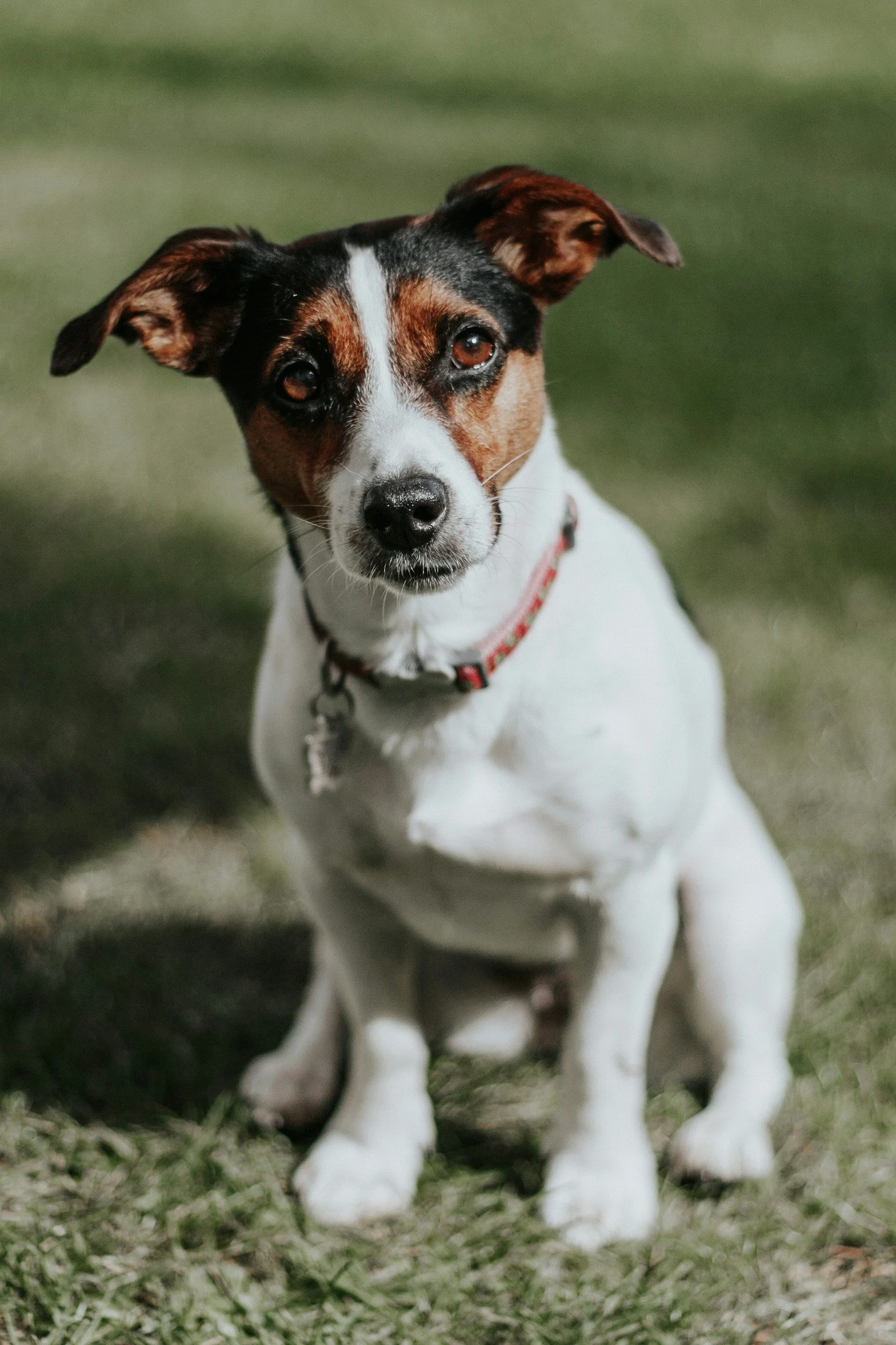
If your sweet, steady dog has started showing new behavior problems — fear, anxiety, reactivity, or even sudden aggression — you’re not alone.
I’ve met so many pet parents who come to me saying, “My dog just isn’t himself anymore.”
Sometimes it happens after a stressful life event… and sometimes, it follows something as routine as a vaccine appointment. But don’t be fooled — it might not be immediate. It could feel gradual over time.
It’s easy to miss the connection, but for some dogs, vaccines and other immune stressors can create shifts in mood, focus, and emotional balance — all of which influence behavior.
Why the Body Affects Behavior
When the immune system is activated, it doesn’t only affect the body — it influences the brain, too.
The same immune chemicals (called cytokines) that fight infection can also alter neurotransmitters related to mood and stress regulation.
So when the body is inflamed or overwhelmed, you may see:
Increased anxiety or startle response
Restlessness or hypervigilance
Irritability or short temper
Sleep disruption
Loss of focus or impulse control
To the untrained eye, these look like “behavior problems.”
But from a holistic lens, they’re signs that your dog’s nervous system is under stress.
Traditional Chinese Medicine (TCVM) Explains It Beautifully
In TCVM, emotional balance is tied to the health of the internal organs — especially the Liver, which governs both detoxification and emotional flow.
After vaccination, the Liver may accumulate what’s called “Heat” or “Stagnation,” showing up as:
Agitation or frustration
Eye or skin inflammation
Digestive upset
Tight muscles or stiffness
And because the Liver also governs emotions like anger and irritability, that imbalance can express as reactivity, barking, or short temper.
This is why some dogs who were calm and cooperative before suddenly struggle with self-control or emotional recovery afterward.
Training Alone Isn’t Enough
When I see a dog with new or worsening behavioral symptoms, I look beyond obedience work.
Behavior is the language of the body — and that means physical stress, diet, toxicity, and inflammation must all be part of the conversation.
A stressed nervous system can’t learn effectively.
That’s why my behavior programs integrate:
Nervous-system regulation through gentle conditioning and essential oils
Liver and immune support to restore internal balance
Customized routines that reduce overwhelm and rebuild trust
Energy-based work like Reiki or Raindrop Technique for deep emotional reset
When we support the body, the mind follows.
Signs It Might Be More Than “Just Behavior”
Pay attention if your dog has:
Sudden anxiety, fear, or aggression
Unexplained fatigue or agitation
New compulsive behaviors (licking, spinning, pacing)
Increased reactivity or sensitivity to touch/sound
A noticeable shift within weeks of vaccination
These changes are your dog’s way of saying, “Something inside me doesn’t feel right.”
How I Help
As a behaviorist and holistic pet health coach, I take a whole-dog approach.
We work together to identify possible triggers, support detox and healing, and rebuild confidence through gentle, evidence-based behavior work.
You don’t have to choose between health and training — the two are connected.
If Your Dog’s Behavior Suddenly Changed…
Let’s dig a little deeper before labeling it “disobedience.”
Sometimes, behavior problems are actually symptoms of imbalance — and once we support the body, the unwanted behaviors melt away.
👉 Schedule a consultation to discuss what might be behind your dog’s sudden behavior changes.
👉 Join my community forum for discussions on emotional health, natural detox, and training strategies that heal from the inside out.
FDA Disclaimer:
Statements in this blog have not been evaluated by the FDA. Educational content only. Not intended to diagnose, treat, cure, or prevent any disease.
Community CTA:
Want even more resources, Q&A, and training discussions? Join my Facebook group.
Optional Callout Box: Top 5 Ways to Support Dogs After Behavior Shifts
Evaluate when the changes began (vet visits, stress, diet shifts).
Support the liver and immune system naturally.
Use calming essential oils for emotional balance.
Rebuild safety and predictability through gentle training.
Seek integrated guidance that includes both health and behavior.
Be sure to visit The WellOiledK9 for more information on vaccines, detox protocols, nutrition and natural wellness.