

Does Neutering Calm Dogs Down?
Understanding Hormonal Frustration and Aggression in Unneutered Dogs
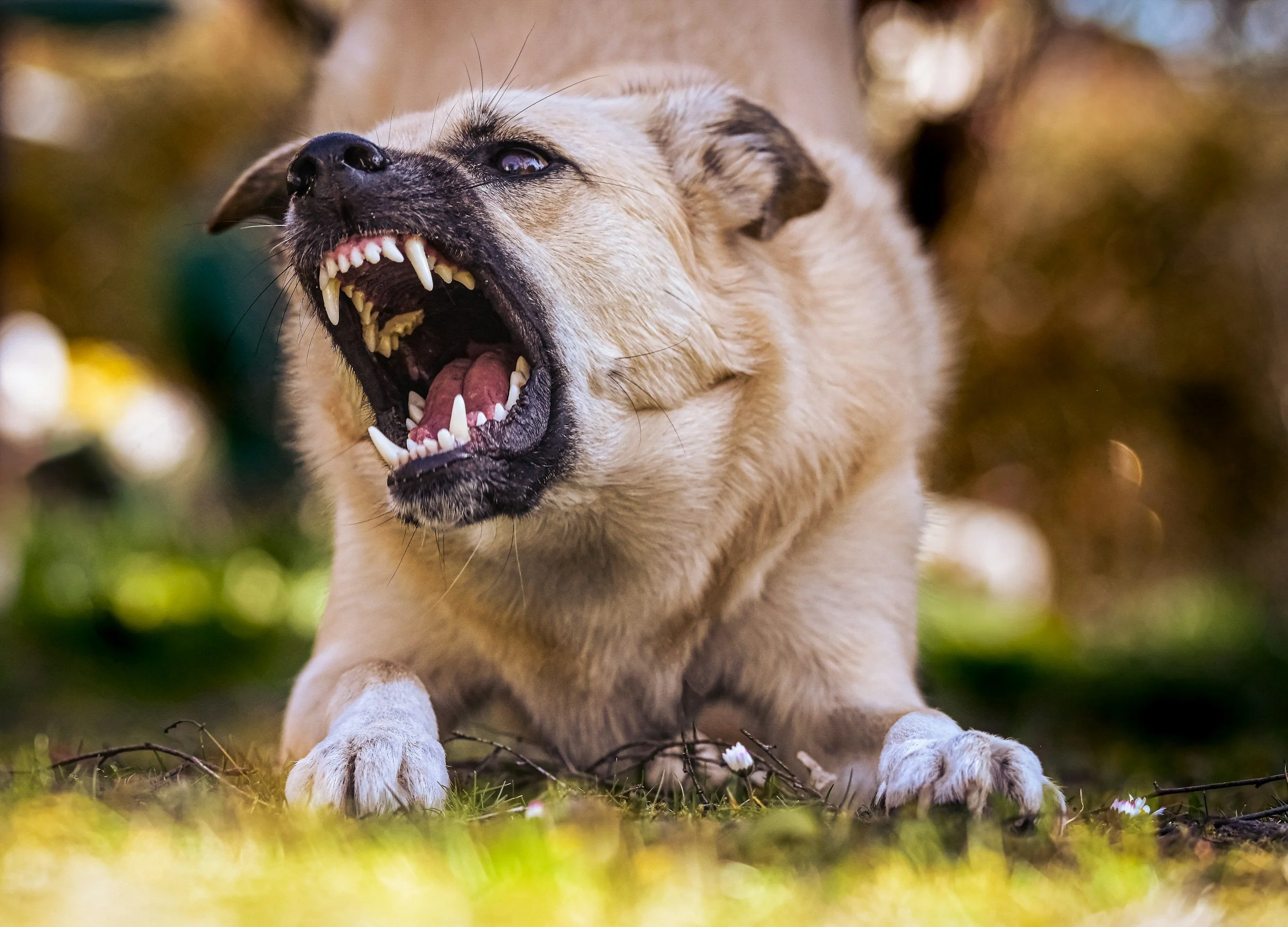
Many pet parents wonder why their unneutered or unspayed dog suddenly becomes moody, restless, or even aggressive. The answer often lies in one powerful factor — hormones.
Hormones drive a dog’s most basic instincts: reproduction, territory, and social hierarchy. When those drives have no natural outlet, the result can be frustration, and sometimes, that frustration turns into aggression or reactivity.
How Hormones Influence Dog Behavior
Hormones like testosterone, estrogen, and progesterone shape more than reproduction — they affect mood, focus, and energy levels, too.
In intact (unneutered/unspayed) dogs, these hormones:
Heighten arousal and alertness
Increase territorial and mating behaviors
Strengthen drive, determination, and energy
Influence social signaling with other dogs
That natural intensity can become a problem when a dog’s biological drive isn’t matched with an outlet. When their instincts are constantly triggered — but never fulfilled — it creates chronic internal tension.
Why Hormonal Frustration Can Turn Into Aggression
Unmet instinctual needs build up as energy inside the body.
When a dog is repeatedly aroused (by scents, other dogs, or seasonal hormones) but can’t act on that drive, the body releases adrenaline and cortisol — the same chemicals triggered by stress.
Over time, this can show up as:
Mounting other dogs, toys, or people
Restlessness or pacing
Growling or snapping with little provocation
Redirected aggression — lashing out at the nearest target when frustrated
Destructive behavior or excessive marking
In short, the dog’s body says “go,” but the environment says “no.”
That conflict between drive and reality can create a pressure cooker effect, leading to reactive or aggressive behavior that seems unpredictable but is biologically understandable.
Males vs. Females: How Hormonal Behavior Differs
Male Dogs
Intact males have steady testosterone production that influences energy, focus, and social ranking.
Without mating outlets or adequate exercise, testosterone can contribute to:
Mounting and roaming
Challenges toward other males
Reactivity when restricted
Frustration-based outbursts that resemble “rage”
Female Dogs
Unspayed females experience cycles of estrogen and progesterone that fluctuate every few months.
During or after heat, hormonal surges can cause:
Irritability or short temper with other dogs
Nesting, guarding, or possessive behavior
Restlessness or anxiety during false pregnancies
Occasional snappiness or clinginess
The emotions may look different, but the underlying pattern — hormones driving behavior — is the same.
Will Neutering or Spaying Fix the Problem?
Sometimes yes… sometimes no.
Neutering (removing testicles) and spaying (removing ovaries/uterus) greatly reduce reproductive hormones, often decreasing behaviors linked directly to mating or marking.
However, it’s important to understand:
Hormone removal doesn’t erase learned behavior.
A dog that’s practiced aggression or reactivity for months may continue even after hormones drop.Hormones also stabilize the nervous system.
Too little testosterone or estrogen can cause anxiety, fear, or insecurity in some dogs.Timing matters.
Early neutering/spaying before physical and emotional maturity can disrupt normal development, affecting confidence and even bone health.
The best outcomes happen when hormonal balance, training, and environment all work together.
How to Support Unneutered or Recently Neutered Dogs
Whether you plan to keep your dog intact or have recently altered them, balance and redirection are key.
Try these supportive approaches:
Structured exercise: Scent work, nose games, and long sniff walks help release pent-up energy.
Social learning: Calm exposure to other dogs improves communication and reduces reactivity.
Mental enrichment: Food puzzles, training games, and new experiences satisfy curiosity and reduce frustration.
Calming support: Essential oils like Copaiba, Frankincense, and gentle Immunity (Thieves) blends can help promote relaxation when used properly.
Training for emotional control: Teach calm, focus, and impulse control before arousal escalates.
The Real Takeaway
Aggression in unneutered dogs isn’t simply dominance — it’s often the byproduct of hormonal tension and unmet biological needs.
Neutering or spaying can help reduce that drive, but it’s not a one-step solution.
Behavior is shaped by the whole dog — their hormones, nervous system, environment, and emotional state.
When we meet all those needs through balanced nutrition, movement, emotional support, and consistent training, dogs become calmer, happier, and safer companions.
Statements in this blog have not been evaluated by the FDA. Educational content only. Not intended to diagnose, treat, cure, or prevent any disease.
Want even more resources, Q&A, and discussions on behavior and hormone balance? Join my community forum — free and subscription content available.