

Weight Training for Dogs: Purposeful Exercise for High-Energy & Working Dogs
Strength • Conditioning • Working Dogs • High Energy • Purposeful Exercise
Some dogs do not simply need “more exercise.”
They need work that feels meaningful to the body they came with.
A brisk walk can be valuable. Sniffing is valuable. Play is valuable. But for some athletic, high-drive and working dogs, purposeful physical work gives the body a different kind of outlet.
That can include hill work, controlled resistance, backpacking, appropriately introduced pulling, balance work, dragging light resistance and other forms of conditioning that require the dog to use the body with intention.
The goal is not to turn every pet dog into a canine athlete.
The goal is to recognize when a capable dog may benefit from more than another lap around the block.
The Behavior Connection
Sometimes a Dog Needs a Job for the Body
I work with dogs whose behavior problems are made harder by a lifestyle that does not come close to matching the dog's physical capacity.
The dog is pacing, pestering, body slamming another dog, climbing the walls by dinner time or turning every walk into a pulling contest.
Training still matters.
Duration still matters. An off-switch still matters. Good leash skills still matter.
But sometimes the body also needs a legitimate job.
Weight Training Does Not Mean Strapping Heavy Gear Onto Your Dog
When people hear “weight training,” they often picture a dog dragging something enormous or carrying a heavily loaded backpack.
That is not where I start.
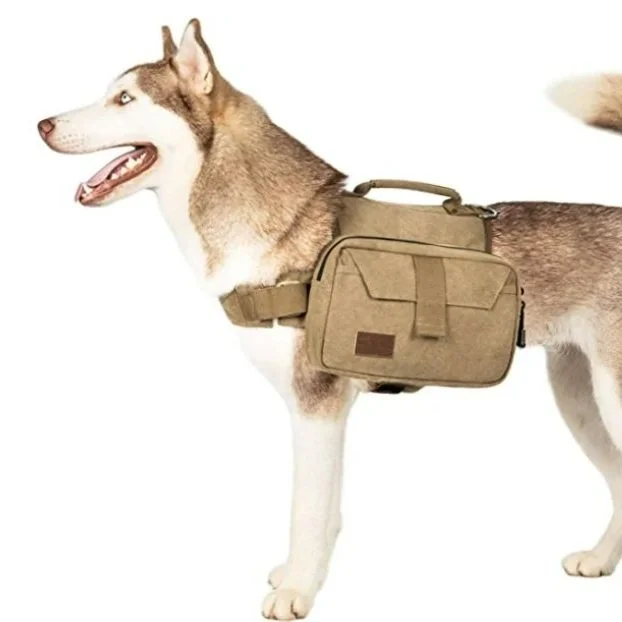
Canine strength work can be very simple. Walking controlled hills changes the muscular demand compared with flat pavement. Slow stepping over stable obstacles requires more deliberate body use. A properly fitted empty backpack introduces the dog to carrying equipment before weight is ever considered.
Resistance can be added gradually when the dog is physically appropriate, conditioned and moving comfortably.
Good conditioning should look controlled—not like the dog is struggling underneath the exercise.
Purposeful Exercise Is Different From Simply Wearing the Dog Out
I do not believe the answer to every high-energy dog is to run them until they collapse.
You can create an extraordinarily fit dog who is still unable to settle. In fact, if the entire strategy is “make the dog more tired,” you may simply keep improving the dog's athletic capacity while the off-switch remains missing.
That is why physical work should live beside training, rest, duration and appropriate mental work.
For that broader conversation, read A Tired Dog Is a Happy Dog — Or Is It? .
Which Dogs May Enjoy Purposeful Strength Work?
I am most interested in it for healthy adult dogs who genuinely enjoy physical work and have the body, temperament and conditioning to handle it.
Sporting dogs, working breeds, terriers, some bully breeds, herding dogs, sled-type dogs and other athletic individuals may all enjoy different forms of resistance or strength-oriented exercise.
Breed is only part of the picture.
Two dogs of the same breed may have completely different drive levels, structure, orthopedic history and interest in the work.
We train the dog standing in front of us.
Who Should Not Start Weight Training Casually?
Puppies and immature dogs should not be treated like fully developed adult athletes.
Dogs with orthopedic disease, back or neck problems, recent surgery, lameness, heart or respiratory limitations, neurological disease or other medical concerns need a more individualized plan.
Older dogs may absolutely benefit from appropriate strengthening, but senior conditioning is not simply the adult program with less weight.
If your dog has known physical limitations or is recovering from injury, that moves the conversation away from general exercise and toward veterinary rehabilitation or appropriately guided conditioning.
For mobility, arthritis, senior support and rehab-related information, continue at Well Oiled K9 .
Hill Walking
Walking controlled inclines and declines can change muscular demand without requiring special equipment.
Backpack Work
A properly fitted canine backpack can add purpose to a walk when introduced gradually and used with a physically appropriate dog.
Pulling Work
Dogs bred or built for pulling may enjoy controlled resistance when proper harnessing, conditioning and technique are used.
Dragging Light Resistance
Some dogs can perform controlled drag work with appropriate equipment and progression, but this should never begin with heavy loads.
Balance & Body Awareness
Stable platforms, careful stepping patterns and controlled position work can make the dog use the body more deliberately.
Structured Retrieving
Retrieving can combine movement, obedience and purposeful work without adding external weight at all.
Start With Conditioning Before You Add Weight
If the dog is not already comfortable walking, hiking or moving with good endurance, I am not in a hurry to add load.
Build the base first.
That means regular movement, appropriate body condition, good paw health, comfortable gait and enough recovery between harder sessions.
A dog who is deconditioned does not become safely conditioned by making the work heavier.
The dog becomes conditioned by gradually increasing what the body can successfully handle.
Introduce the Equipment Before the Work
A backpack, pulling harness or other conditioning equipment should first become something the dog can wear comfortably.
Let the dog move normally in the empty equipment. Check fit. Watch the shoulders, gait, breathing and whether anything rubs or restricts movement.
The dog should not immediately change stride, freeze, roll around or fight the gear.
Get the equipment right before asking the dog to work in it.
How Much Weight Should a Dog Carry?
I do not use one universal percentage as a prescription for every dog.
Body structure, conditioning, terrain, temperature, duration, equipment fit, age and health all change what is appropriate.
Start with an empty pack.
If the dog remains comfortable and the dog is appropriate for added resistance, increase very gradually.
You should be watching the dog—not chasing a number.
If movement quality changes, the dog fatigues quickly or recovery is poor, the exercise is too much regardless of what percentage of body weight the backpack contains.
The Load Should Be Balanced
With a canine backpack, uneven weight can change movement and make the dog compensate.
Keep both sides balanced and make sure the pack stays reasonably stable as the dog moves.
Do not toss random heavy objects into one side and head out for a long hike.
The equipment should support purposeful movement rather than turning the dog into a pack mule.
Pulling Requires the Right Harness
If a dog is doing intentional pulling work, I want equipment designed for pulling.
I do not attach significant resistance to a collar or casual walking setup.
The harness needs to distribute force appropriately and allow the dog to move without pressure being concentrated across the neck or an unsuitable part of the body.
The dog also needs to understand the job.
Dragging a confused dog forward because resistance is attached behind them is not useful conditioning.
Slow Work Can Be Hard Work
Speed is not the only way to increase difficulty.
Controlled uphill walking, slow deliberate stepping, careful positioning and short bouts of resistance can require substantial muscular work without the frantic arousal of sprinting.
For some dogs, that is part of the appeal.
The dog finishes having used the body thoughtfully rather than simply running at maximum speed.
Watch the Dog During the Session
I want to see comfortable movement.
Watch for shortened stride, uneven gait, reluctance, repeated sitting or lying down, unusual lagging, excessive panting, loss of enthusiasm or a sudden change in how the dog carries the body.
Those are not signs to push harder because “the dog needs to build endurance.”
They are information.
Stop and evaluate what changed.
Recovery Counts
What the dog looks like the next day tells you something too.
A dog should not repeatedly come out of normal conditioning sessions profoundly stiff, reluctant to get up or obviously sore.
Muscles need recovery time.
More is not automatically better just because the dog would keep going if you asked.
Many driven dogs will happily overdo physical work.
The human has to be the one with judgment.
Heat Changes the Plan
Conditioning in Hot Weather Requires More Restraint, Not More Grit
Dogs can overheat quickly during strenuous work, particularly in hot and humid weather.
Resistance increases workload. Backpacking increases workload. Running hills increases workload.
That means the weather that was acceptable for a casual walk may not be appropriate for a hard conditioning session.
Adjust time of day, duration, intensity and terrain. Carry water. Watch recovery and breathing. Protect paws from hot surfaces.
The workout is never more important than the dog.
Strength Work Can Be Useful for Dogs Who Need Purpose
Some dogs are noticeably more satisfied after work that requires both effort and direction.
That may be carrying a light pack during a hike, pulling in harness, working hills or completing a structured retrieve session.
The behavioral value is not that the dog is too exhausted to cause trouble.
The value is that the dog had an appropriate outlet for physical capacity and a job with rules.
For many working and high-drive dogs, that combination is powerful.
The Dog Still Needs an Off-Switch
I cannot emphasize this enough.
Your dog should be able to work hard and then stop.
A physically conditioned dog who paces the house for another four hours is still missing a skill.
Physical fulfillment and settling are not substitutes for each other.
If your dog cannot relax even after substantial exercise, read Why Won't My Dog Relax? Over-Arousal, Hypervigilance & Learning to Settle .
Do Not Add Weight to Fix Leash Pulling
A dog who drags you down the road does not need a heavier backpack so the pulling becomes more difficult.
That is a leash-training issue.
Teach structured walking separately.
Once the dog understands how to move with you, purposeful conditioning can become part of the walk without using physical fatigue as a substitute for leash communication.
For leash work, use How to Stop a Dog From Pulling on the Leash .
And Do Not Use Weight to Punish Energy
The dog is not bad because they came with more horsepower than you expected.
If you have an athletic dog in a relatively sedentary household, the answer is to create appropriate outlets—not to load the dog down because you are frustrated by the energy.
This is exactly why You Don't Get to Choose What Your Dog Needs belongs beside this article.
Breed Instinct Still Matters
Purposeful exercise becomes even more useful when it matches the dog.
A retriever may light up for structured carries and retrieving. A sled-type dog may genuinely enjoy pulling. A terrier may prefer work involving movement and problem solving. A scent-driven dog may need substantial nose work in addition to physical exercise.
Strength work should not become the only outlet simply because it is convenient for the human.
Match the job to the dog.
For the larger conversation, read Is Your Dog Getting Enough Exercise? Breed Instincts, Lifestyle & Behavior .
Conditioning Should Improve the Dog's Life
That sounds obvious, but it is a useful standard.
Is the dog enthusiastic about the work? Moving comfortably? Recovering well? Becoming stronger and more capable?
Or are you constantly pushing a reluctant dog through an exercise because you read that it is supposed to be good for them?
Fitness work is not automatically enrichment if the dog hates it.
There are many ways to condition a body.
Choose one that fits the individual dog.
What Dog Parents Are Searching
Weight Training & Strength Exercise for Dogs
Is weight training good for dogs?
Purposeful strength and resistance work can be appropriate for healthy, physically mature dogs when the exercise fits the individual dog and is introduced gradually. Age, orthopedic health, conditioning, structure and recovery all need to be considered.
Can my dog wear a weighted backpack?
Some healthy adult dogs can perform backpack work, but start with a properly fitted empty pack first. Added weight should be introduced gradually while watching movement quality, comfort and recovery rather than relying on one universal weight percentage.
How much weight can my dog carry in a backpack?
There is no single safe number for every dog. Body structure, conditioning, terrain, temperature, age, health, equipment fit and duration all affect what is appropriate. Begin with an empty pack and increase only if the dog remains comfortable and moves normally.
Can dogs pull weights for exercise?
Some healthy, properly conditioned adult dogs may enjoy controlled pulling work when suitable harnessing and gradual progression are used. Heavy resistance should not be attached to a collar or improvised walking equipment.
What age can a dog start weight training?
Dogs should be physically mature before significant external resistance is considered. Puppies and adolescents still developing structurally should focus on age-appropriate movement, coordination and skill building rather than heavy loading.
Can weight training help a high-energy dog?
Purposeful physical work can be a useful outlet for some athletic and high-drive dogs, but it should not replace training, mental work, sleep or learning how to settle. The goal is fulfillment, not simply exhaustion.
Can senior dogs do strength exercises?
Older dogs may benefit from appropriately designed strengthening, but the plan should reflect arthritis, mobility, heart or respiratory health, neurological status and recovery ability. Senior conditioning should not simply copy an athletic adult dog's program.
Should I use a backpack to stop my dog from pulling?
No. Leash pulling is a training issue. Teach the dog how to walk with you first rather than using extra weight to make pulling physically harder.
Can exercise make a hyper dog calmer?
Appropriate physical activity can help dogs whose needs are not being met, but exercise alone does not teach an off-switch. Some dogs become fitter without becoming calmer, so physical work should be paired with settling, duration and appropriate recovery.
Think Job, Not Punishment
This is the frame I want people to keep.
Purposeful physical work should feel like something the dog is capable of doing and, ideally, enjoys doing.
It is not punishment for having too much energy.
It is not a shortcut around training.
It is not proof that a dog should be able to carry more today than they did last week.
It is one option for meeting the physical needs of a dog whose body and temperament are suited to that kind of work.
High-Energy Dog?
Look at breed, drive, lifestyle and whether your dog's actual movement needs match the life you are providing.
Review Exercise & Breed NeedsStill Can't Settle?
More physical work may not solve a dog who has never learned how to switch off after the activity ends.
Build an Off-SwitchDog Has Mobility or Joint Issues?
Arthritis, injury, senior mobility and rehabilitation need a more individualized health plan than general exercise advice.
Explore Whole-Dog Mobility SupportLifestyle Doesn't Match the Dog?
Sometimes the biggest change comes from accepting what this dog genuinely needs and finding practical ways to meet it.
Read What Your Dog NeedsGive the Body Something Useful to Do
Some Dogs Need More Than Another Walk Around the Block
If you live with a capable, athletic dog whose body seems built for work, purposeful conditioning can be one piece of a much better lifestyle.
Start slowly.
Use the right equipment.
Condition before you load.
Watch gait, recovery, enthusiasm and the individual dog rather than chasing arbitrary numbers.
Then remember that physical work is only one part of the picture.
The dog still needs training. Still needs rest. Still needs an off-switch. Still needs appropriate mental work. Still needs a plan that matches the dog's breed, body and actual life.
The best exercise is not the hardest exercise.
It is the work that helps this dog become stronger, more fulfilled and easier to live with without asking the body to pay for it later.

Need Help? Sometimes you need a coach and experienced pro to put the plan together for you Let me help you figure out what to do next. Behavior * Nutrition * Training * Natural Wellness * Recovery
Complete the Questionnaire For A Callback →