
Start With What You're Seeing
You Don't Need the Perfect Label for Your Dog
Maybe your dog barks and lunges on leash. Maybe you are dealing with growling, guarding, fighting between dogs in the same home, panic when left alone or a dog who seems afraid of everything. Start with the behavior that is making everyday life difficult.
Leash Reactivity
Your dog sees another dog, person, bicycle or trigger and suddenly seems to lose access to everything they know. Learn why leash reactivity happens and what actually helps.
Explore Leash Reactivity → Growling • Snapping • BitingAggression & Bite Risk
If your dog has threatened, snapped, bitten or become unsafe around people or other animals, behavior work starts with understanding risk, preventing another incident and figuring out what is driving it.
Start With Aggression & Safety → Food • Toys • Space • PeopleResource Guarding
A dog may guard a bowl, bone, stolen object, sleeping space, another dog or even access to a person. The details matter, especially when growling, snapping or bite risk is involved.
Understand Resource Guarding → Multi-Dog HouseholdDogs Fighting in the Same Home
Household dog conflict can involve resources, space, arousal, relationship changes or patterns that have been building for longer than anyone realized. Repeated fights should never become the training plan.
Explore Household Dog Conflict → Fear • Shutdown • HypervigilanceFear, Anxiety & Trauma
Fear does not always look fearful. It can bark, freeze, hide, cling, avoid, panic or become defensive. Some dogs need less pressure and a very different plan than another round of commands.
Understand Fear & Emotional Behavior → Panic When Left AloneSeparation Anxiety
Barking, destruction, pacing, escape attempts and panic after you leave are not all the same problem. Start by understanding what your dog is actually experiencing when they are alone.
Explore Separation Anxiety → Pacing • Monitoring • Always “On”Can't Settle / Over-Arousal
Your dog exercises, trains and may even hold Place beautifully — but still follows, watches, scans, waits and never really switches off. Sometimes the missing skill is learning how to come back down.
Help Your Dog Find the Off-Switch → “This Is Not Like My Dog”Sudden Behavior Changes
New aggression, fear, clinginess, pacing, restlessness or confusion deserves more than another training correction. Start by asking what changed — in your dog's world and in your dog's body.
What to Check First →Want Something You Can Work Through Step by Step?
My dog behavior and real-life skills guides give pet parents practical structure for common behavior problems, household routines and foundational skills. New resources are added as they are completed.
Explore Guides & ProtocolsWhat If Training Isn't the Whole Story?
Pain, nutrition, digestive problems, poor sleep, chronic stress, inflammation, medications, aging and physical discomfort can all influence how a dog responds to the world. This is where behavior begins to overlap with whole-dog wellness.
Explore the Whole-Dog ConnectionStill Not Sure What Your Dog Needs?
You do not have to diagnose your dog before we talk. If your dog has already been through training, the behavior is escalating, safety is becoming a concern or you simply cannot figure out why the same pattern keeps coming back, an individual behavior consultation is a sensible place to start.
See How a Behavior Consultation Works →

Before You Send Your Dog to Board and Train, Read This
Considering Board and Train Programs

Why Is Your Dog Trainer Asking About Food? The Behavior Connection
Nutrition may have a direct influence on your dog’s behavior. How Dog Food Affects Dog Behavior

Waiting On Your Dog’s Breakthrough: Why Behavior Change Takes Time
State of mind matters. Fix the state of mind in your training to claim your leadership and change the relationship.
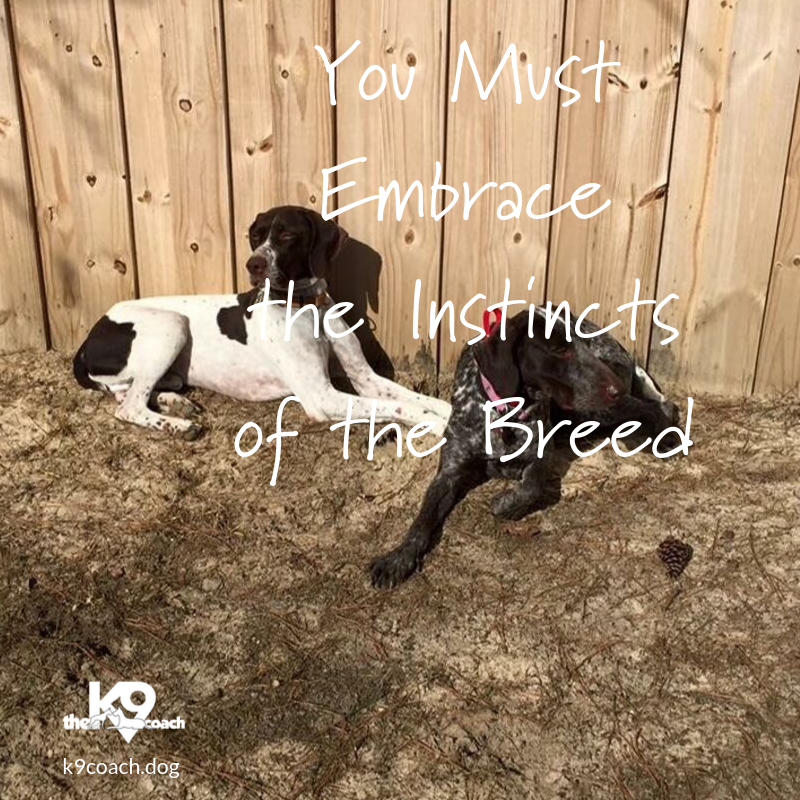
Is Your Dog Getting Enough Exercise? Breed Instincts, Lifestyle & Behavior
Breed Instincts need to be part of your enrichment activities and behavior resolution
Small Dog Aggression: Little Dogs Bite Too
Little dogs bite too. And it’s just important that we resolve these issues as it is for a larger dog.
Anxiety Support for Dogs
Supporting your dog’s anxiety may be less about training and anxiety medications than you think. It may be about looking at their emotional and physical health.
You Don't Get To Choose What Your Dog Needs
You don’t get to choose what your dog’s need. You can only choose to give him what he needs.
A New Normal: How Everyday Dog Manners Become a Way of Life
Training doesn’t have to be time set aside on the schedule. Make it part of your normal daily activities.
Stop Making Concessions for Your Dog: When They Know the Command
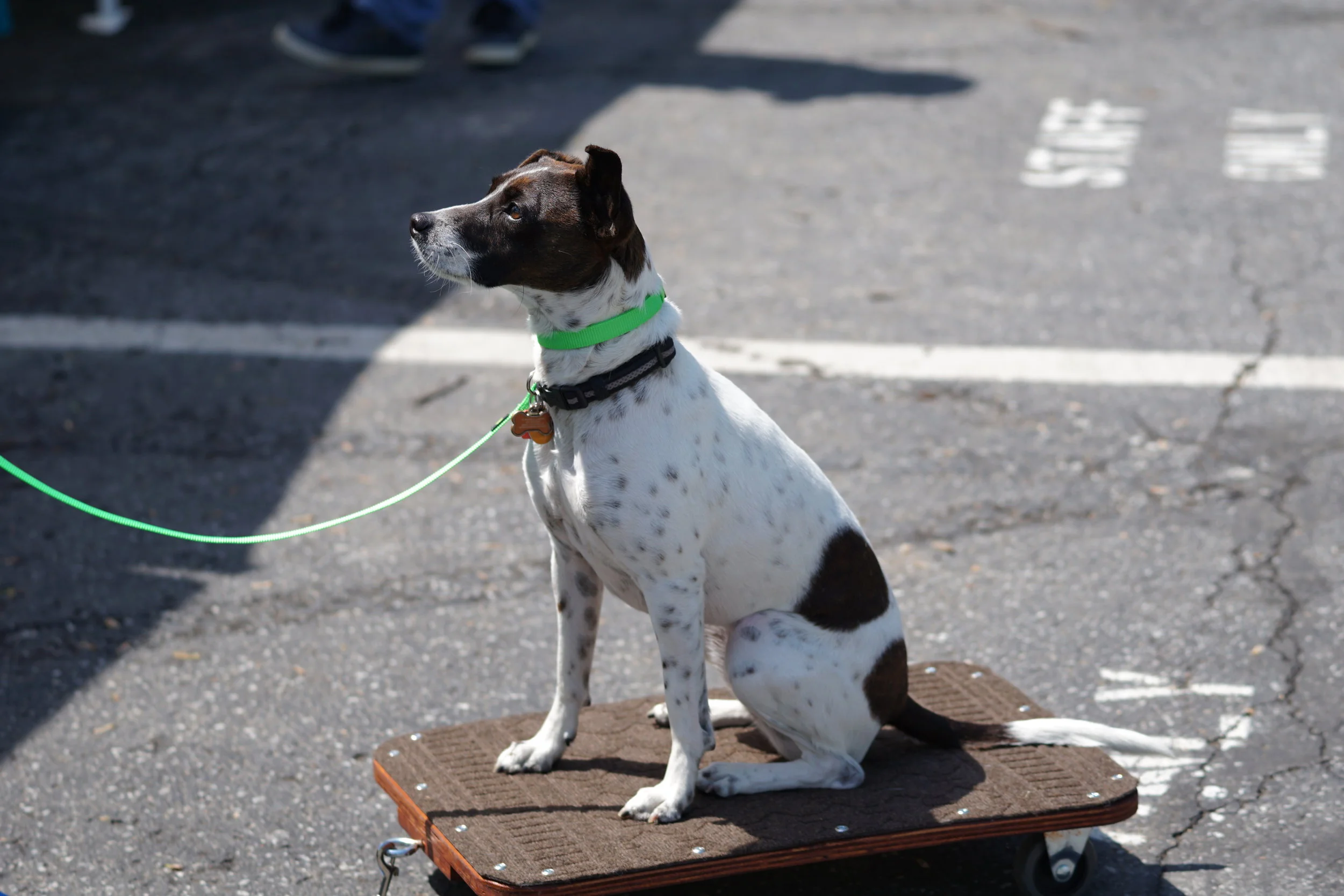
When your dog thinks he’s the head dog in charge — stop making concessions for him. In other words, stop making excuses for him.
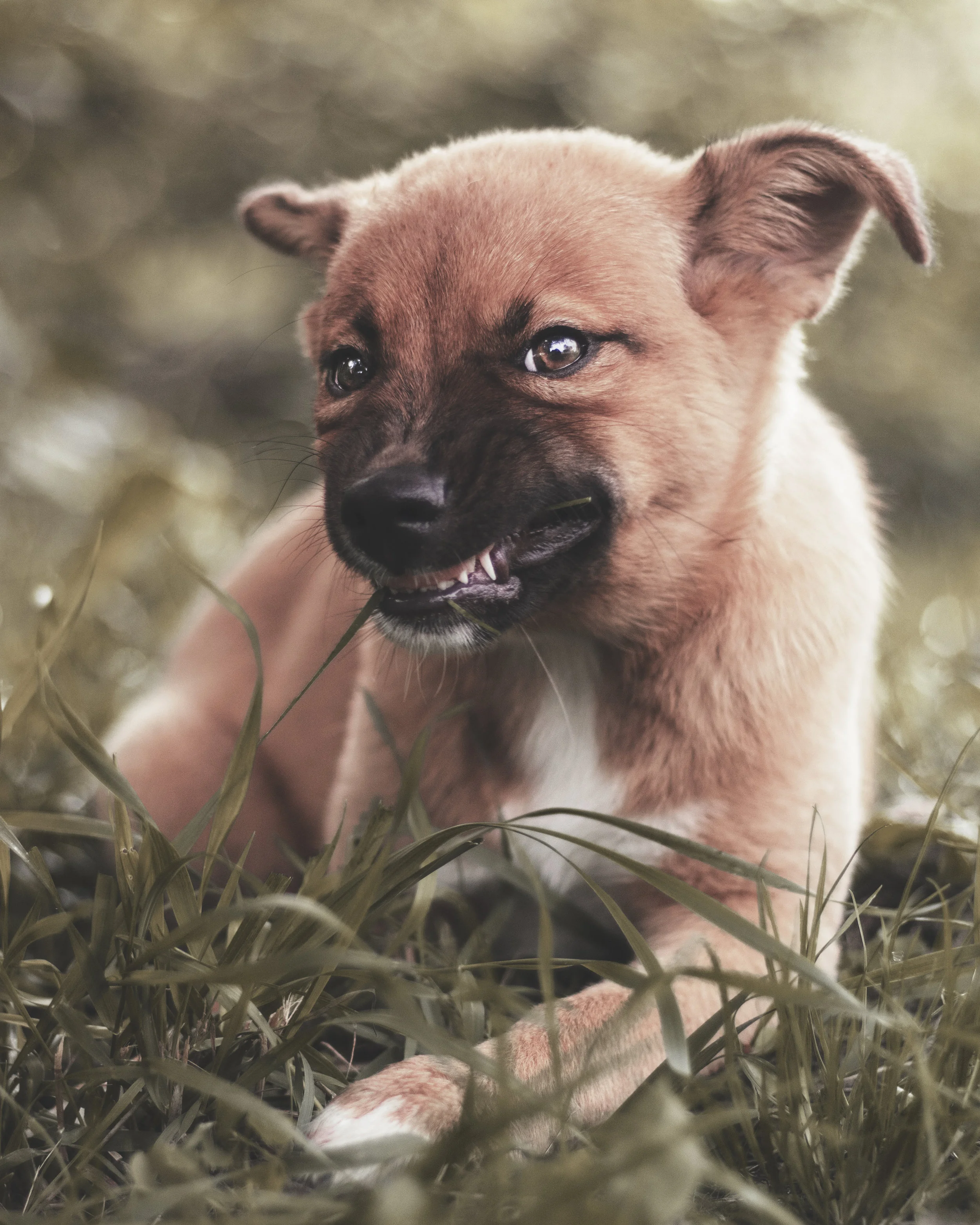
Why Is My Dog Growling? What the Warning Means & What to Do Next
When the dog growls, he is trying to tell us something. The question is what? And what should you do about it, if anything.
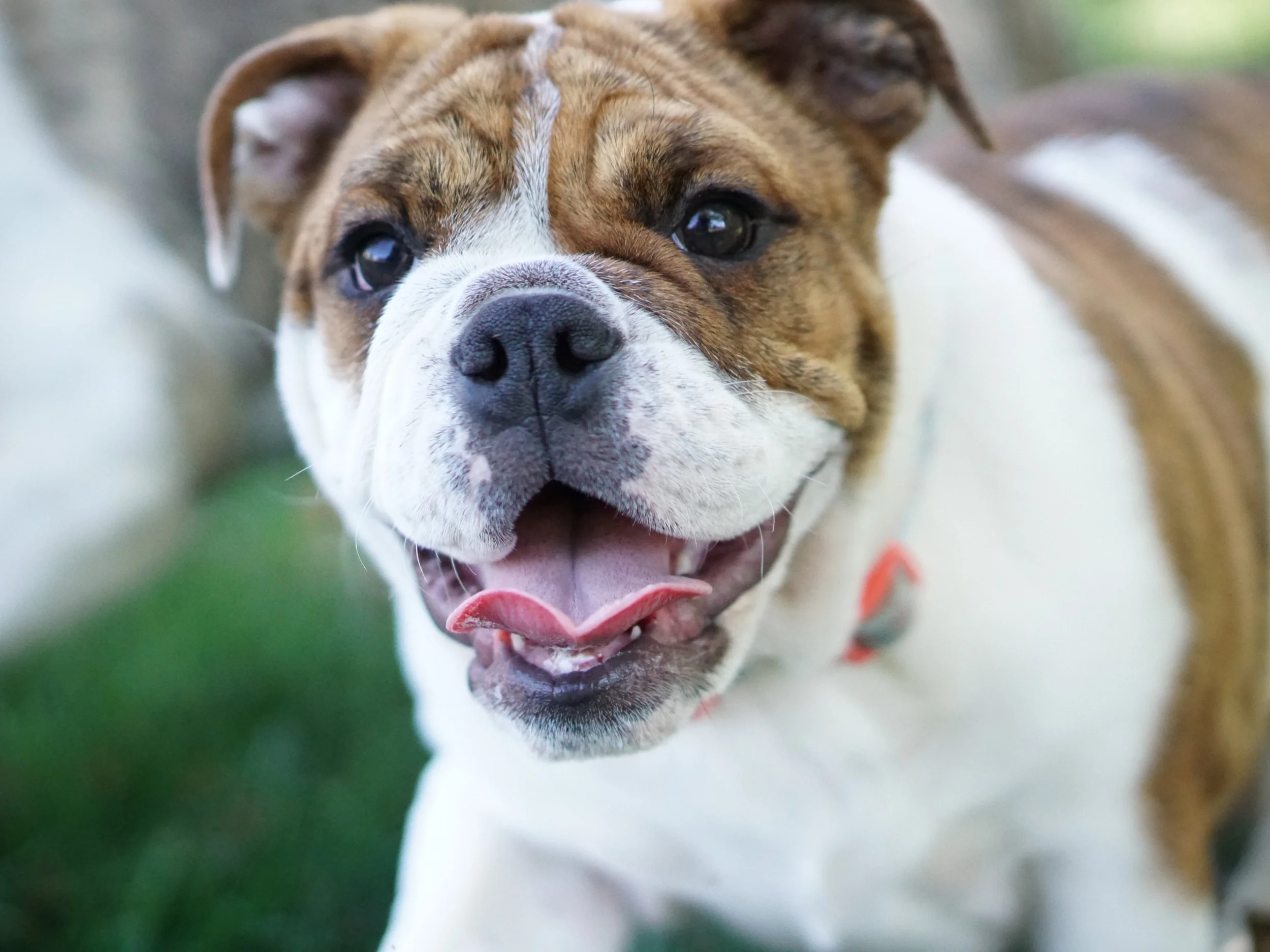
My Dog Bit Someone Out of Nowhere: Warning Signs You May Have Missed
Every day, dog owners are caught by surprise at their dog’s behavior. Learn to read your dog.
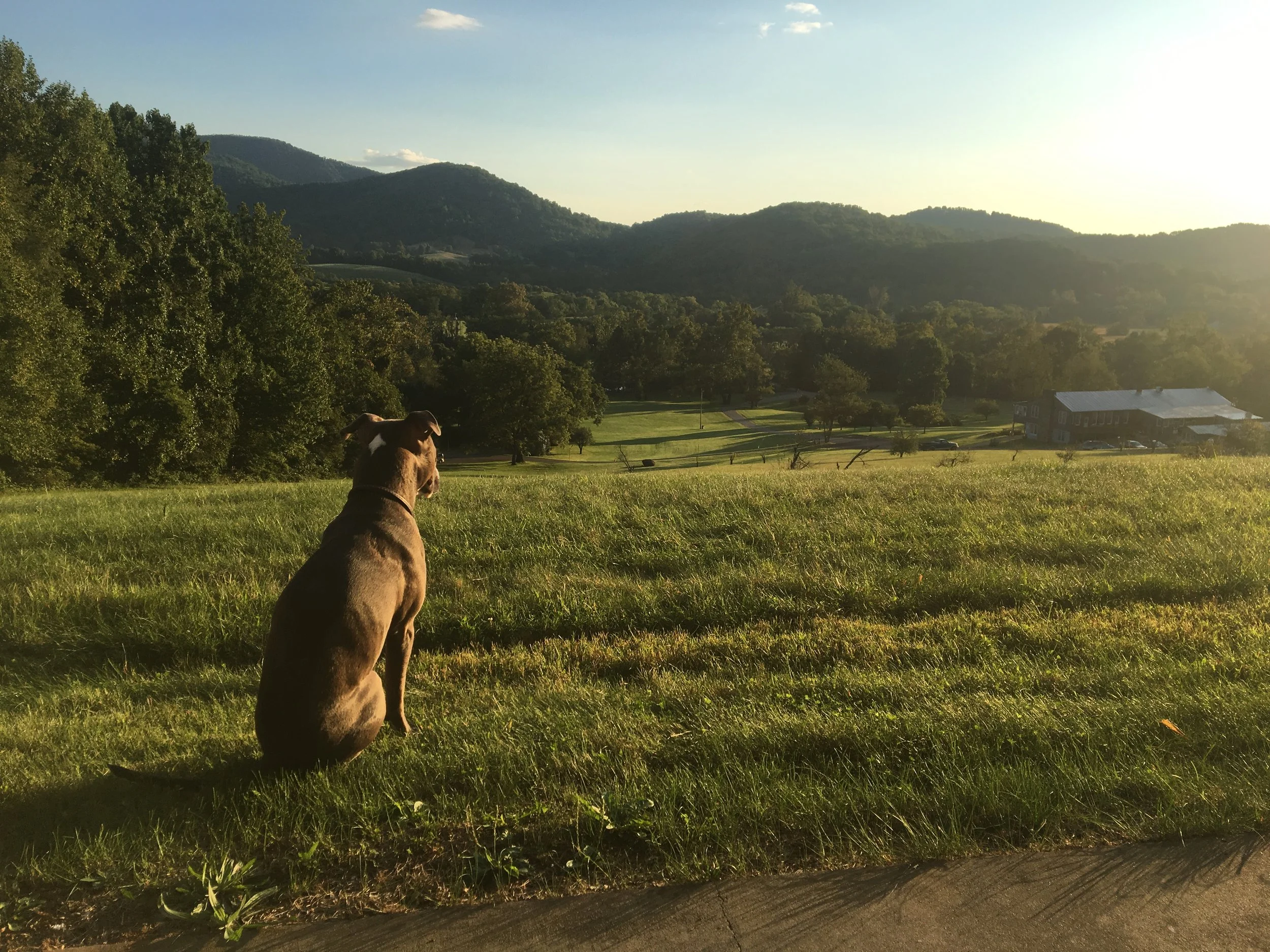
Living With an Aggressive Dog: Safety, Management & Behavior Change
Thoughts you need to keep in mind when you’re living with a dog with aggressive behavior.
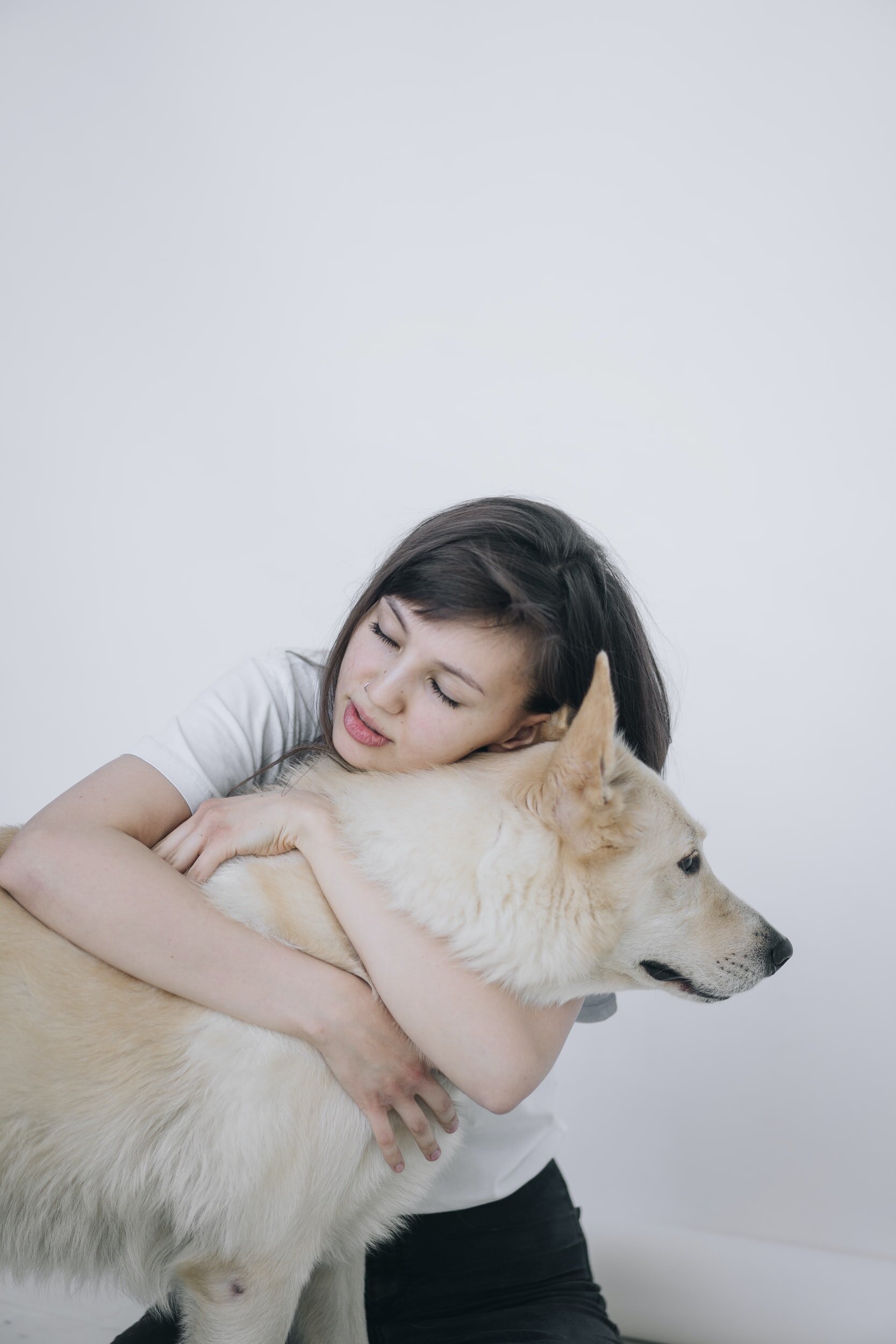
Don’t Coddle the Dog: Build Confidence Without Teaching Avoidance
Coddling your dog will not build confidence, nor help you overcome fear and insecurity.
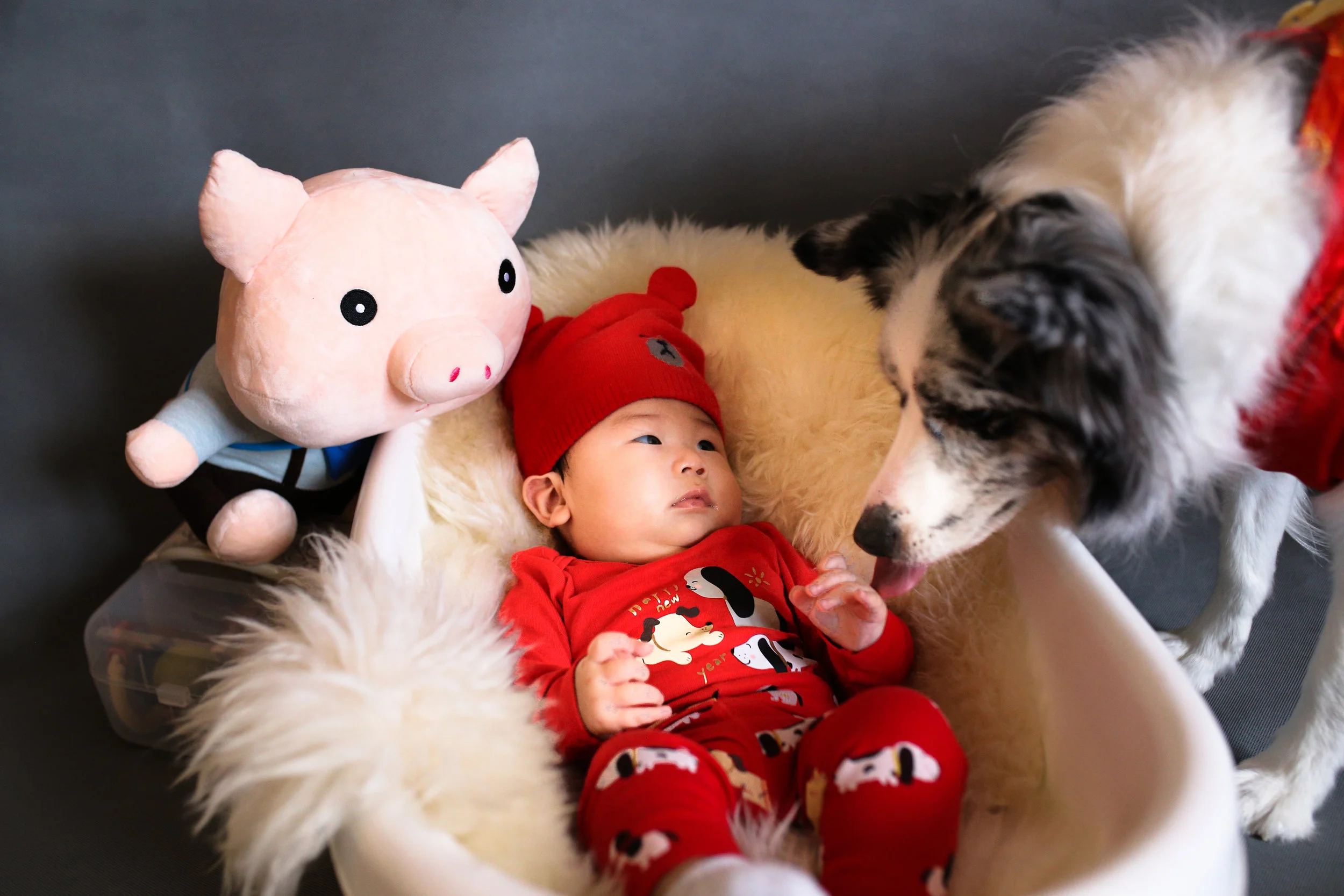
How to Prepare Your Dog for a New Baby
Preparing your dog for the arrival of a new baby. While you're preparing for the arrival of a new baby, now is the time to prepare the dog. Now is the time to tune-up your dog's training, your leadership, and help your dog prepare for the transition and rules changes.

Dog Afraid of Thunderstorms? Why They Know a Storm Is Coming & How to Help
Thunder and STorms are stressful for many dogs. But you can create a change.